Light Up Our World: Building Energy Art For Everyone
Materials Needed
- • Recycled/repurposed materials
- • Scissors
- • Glue, tape
- • Markers, crayons, colored pencils, pens, paints
- • Pieces of scrap paper
- • Images or videos of installation art
Goal 7: Affordable and Clean Energy
You can find an introduction to Goal 7, as well as the Targets & Indicators, Objectives, and Action Planning Resources on the Goal overview page.
See Goal 7 OverviewWelcome students to an exciting art class. Explain that they will use their imagination and creativity to explore a really important idea: Global Goal 7, Affordable and Clean Energy. This goal focuses on making sure everyone, everywhere, has access to energy that is affordable (not too expensive), reliable (always there when you need it), and clean (good for the planet, not polluting). Emphasize that this means lights for homes and schools, clean ways to cook food, and power for devices, all without harming the earth.
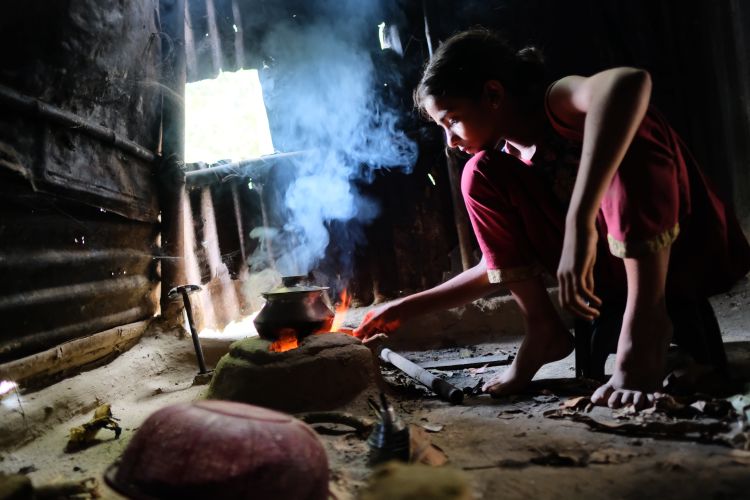
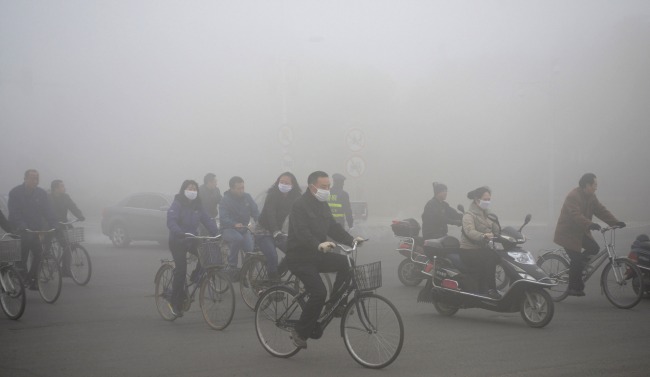
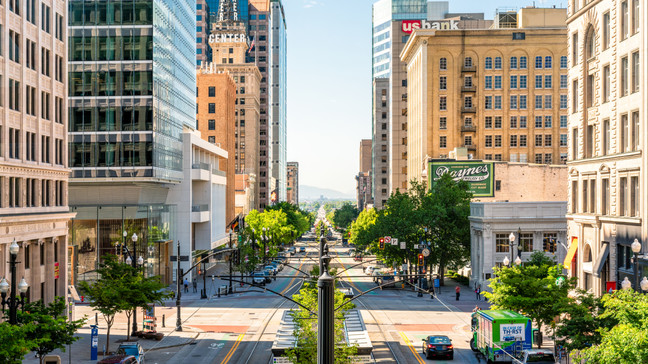
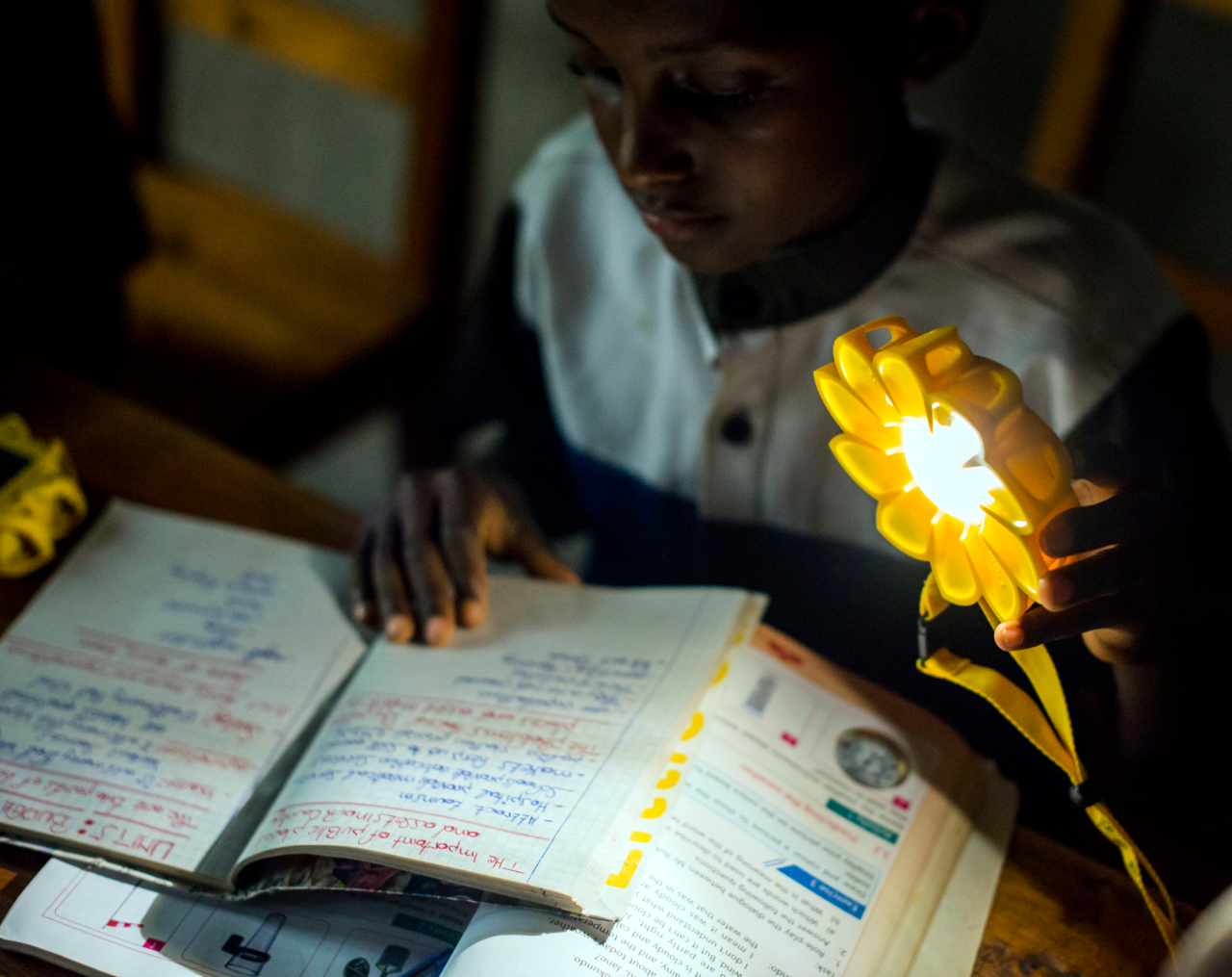
Show some images that contrast energy challenges with clean energy solutions.
Examples:
Energy Challenges
- Energy Poverty, World Economic Forum
- Cooking Over a Fire, University of Queensland
- Polluted City, IQ Air
- Polluted City, The Atlantic
Clean Energy Solutions
- Clean City, KJZZ
- Child Reading Under a Solar Lamp, Little Sun
- Wind Turbines, Caltech Science Exchange
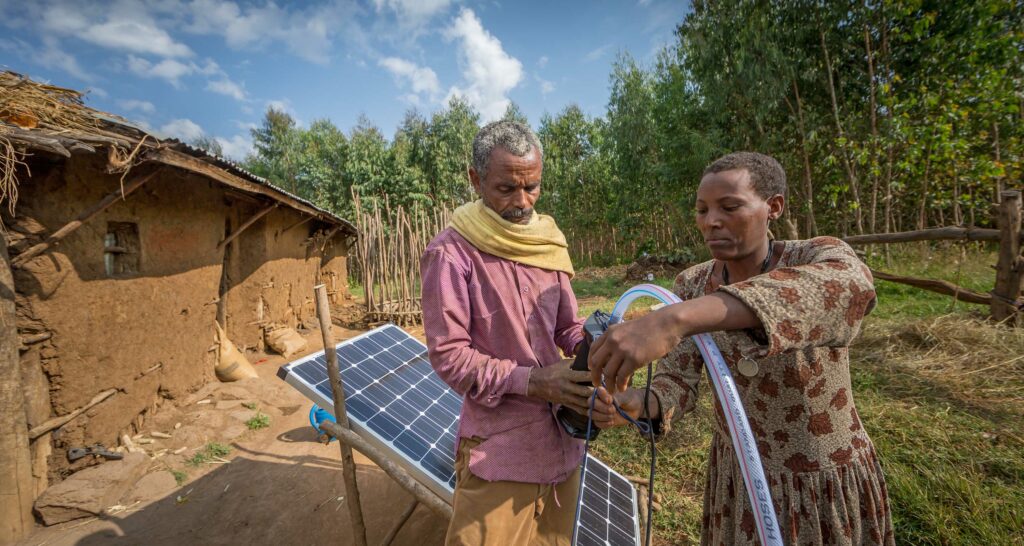
- Solar Panels Installed, SDG Action
Open a discussion with guiding questions like:
- How do these images make you feel? What emotions come up when you see homes without lights, or smoky cooking fires indoors? What about sparkling solar panels or giant wind turbines?
- Think about your own day. How do you use energy from the moment you wake up (lights, charging devices, toast for breakfast) until you go to bed (reading light, TV)? What would your life be like without it?
- Why is it important that energy is not just available, but also affordable and clean for everyone, everywhere?
- Do you think art can be a powerful way to make people think about energy and our planet?
Introduce the art style of Installation Art. Explain that Installation Art is a special kind of art that fills a space or room, making you feel like you can walk inside the artwork. Tell students that artists use all sorts of materials, sometimes even light or sound, to transform a place and make you think and feel differently about something. Explain that today, they will all become energy artists, working together as a class to build one big, amazing installation that shows the power of clean energy and a bright future.
Show selected visual aids of Installation Art pieces.
Examples:
- Waste Labyrinth or Plastic Island by Luzinterruptus: Focus on how they use many recycled plastic bottles/waste to create glowing, immersive spaces, highlighting pollution in a visually striking way.
- The Weather Project by Olafur Eliasson: Focus on how he uses light and mist to create an immersive, atmospheric experience, evoking natural phenomena.
- The Work of Daniel Popper: Focus on large, impressive structures that light up or integrate with nature, showing power and beauty.
- The Work of Chihuly: Focus on immersive, vibrant environments that can inspire transformation of a space with art and light.
Facilitate a discussion about the art, asking guiding questions like:
- What do you notice about how these artworks fill the space? Do they make you feel like you could walk inside them?
- What kinds of materials did these artists use? Do you see anything that looks like it was recycled or repurposed?
- How do these artworks use light or color to create a special feeling?
- How do these artists use art to express a big idea, like about nature, or light, or even pollution?
Tiny Spark
Bright Sunbeam
Whirling Wind
Flickering Candle
Start With a Challenge
Follow the Reaction
Introduce a Solution
Positive Ripples
Set Up Installation Space
Create Group Sections
Circulate and Guide
Assemble Installation
Begin Tour
Group Presentations
Conclude Tour
- Observe consistent and enthusiastic involvement in all phases of the lesson, including the warm up, brainstorm, whole-class art creation, and class discussions.
- Understanding of the core concept of affordable and clean energy (access, renewables, efficiency, challenges, solutions), as demonstrated through the symbolism, emotions, and message in the contribution to the class art installation and verbal explanations.
- Originality and effort in creating the section of the collective installation. Look for evidence of connection to Global Goal 7 (does the section clearly represent ideas related to energy challenges, solutions, or energy for everyone, fitting into the overall narrative?), use of recycled materials (are recycled/repurposed materials used creatively and thoughtfully?), and showing emotions/feelings (are there attempts to use shapes, colors, and arrangement to convey a message or emotion about energy within the section?).
- Ability to work effectively within the small groups, contributing ideas, respecting diverse approaches, and collaborating cohesively to build a part of the unified class installation.
- Ability to articulate learning and personal connections during the reflection and summary discussion.
More Art Lessons
View All →Helping Hands: Our Collaborative Quilt for a World Without Poverty
Explore Goal 1: End poverty in all its forms everywhere through art.
My Healthy Self: A Self-Portrait Journey for Global Goal 3
Explore Goal 3: Ensure healthy lives and promote well-being for all at all ages through art.
Emotions in Color: Painting for Fairness and Equality
Explore Goal 5: Achieve gender equality and empower all women and girls through art.